
"coconut civet"
400 article(s) found
Are Kopi Luwak beans fake in Vietnam? how do you brew Kopi Luwak _ Kopi Luwak price list at home?
Professional coffee knowledge exchange more coffee bean information Please pay attention to the coffee workshop (Wechat official account cafe_style) A jin of civet cat droppings can only extract 150g of cat droppings coffee beans, there will be a 20% loss in the baking process. The annual global supply of these coffee beans does not exceed 400 kilograms. So, more than 80% of Kopi Luwak on the market is fake. Musk cat coffee
Description of Flavor of Coffee beans introduction to Grinding scale of Manor varieties in producing areas
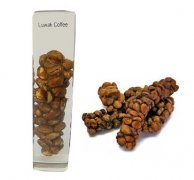
Kopi Luwak is produced by the feces of Indonesian coconut cats (a kind of civet) as raw materials, so it is called Kopi Luwak. This kind of animal mainly feeds on coffee beans. After completing fermentation in the coconut cat's stomach, it destroys proteins, produces short peptides and more free amino acids, reduces the bitterness of coffee, and then excretes feces as the main raw material. Because coffee beans cannot be digested, they will be excreted.
Introduction to boutique coffee-- Musk Coffee Coffee Musk Coffee
Kopi Luwak is produced by the feces of Indonesian coconut cats (a kind of civet) as raw materials, so it is called Kopi Luwak. This kind of animal mainly feeds on coffee beans. After completing fermentation in the coconut cat's stomach, it destroys proteins, produces short peptides and more free amino acids, reduces the bitterness of coffee, and then excretes feces as the main raw material. Because coffee beans cannot be digested, they will be excreted.
The flavor of Kopi Luwak how much is the origin of Kopi Luwak boutique coffee Kopi Luwak
Kopi Luwak is produced by the feces of Indonesian coconut cats (a kind of civet) as raw materials, so it is called Kopi Luwak. This kind of animal mainly feeds on coffee beans. After completing fermentation in the coconut cat's stomach, it destroys proteins, produces short peptides and more free amino acids, reduces the bitterness of coffee, and then excretes feces as the main raw material. Because coffee beans cannot be digested, they will be

The origin and introduction of Kopi Luwak, the most expensive coffee in the world.
Follow the caf é (Wechat official account vdailycom) found that the beautiful cafe opened its own shop Kopi Luwak, which is made from the droppings of Indonesian coconut cats (a kind of civet), so it is called Kopi Luwak. This kind of animal mainly feeds on coffee beans. After fermentation in the coconut cat's stomach, it destroys the protein and produces short peptides and more free amino acids, the bitter taste of coffee.
Flavor description of cat droppings coffee beans introduction of manor varieties by grinding scale treatment
Kopi Luwak is produced by the feces of Indonesian coconut cats (a kind of civet) as raw materials, so it is called Kopi Luwak. This kind of animal mainly feeds on coffee beans. After completing fermentation in the coconut cat's stomach, it destroys proteins, produces short peptides and more free amino acids, reduces the bitterness of coffee, and then excretes feces as the main raw material. Because coffee beans cannot be digested, they will be excreted.

The flavor and taste characteristics of Indonesian cat shit coffee beans story introduces whether Kopi Luwak is sour or bitter?
What are the taste and characteristics of Indonesian Kopi Luwak? Does Kopi Luwak taste sour? Kopi Luwak is not good at all? Coffee industry exchange please add private Wechat Qianjie coffee, WeChat: (long click to copy) there are two kinds of animals in the qiannjie market producing Kopi Luwak masked palm civet and civet! So are masked palm civet and civet the same animal? I would like to answer in the affirmative that they are not the same animal.

Introduction to the flavor of Kopi Luwak Manor in Indonesia
Kopi Luwak is produced by the feces of Indonesian coconut cats (a kind of civet) as raw materials, so it is called Kopi Luwak. This kind of animal mainly feeds on coffee beans. After completing fermentation in the coconut cat's stomach, it destroys proteins, produces short peptides and more free amino acids, reduces the bitterness of coffee, and then excretes feces as the main raw material. Because coffee beans cannot be digested, they will be

Introduction to the extra thick and mellow Indonesian civet coffee manor with special flavor and taste
Kopi Luwak is produced by the feces of Indonesian coconut cats (a kind of civet) as raw materials, so it is called Kopi Luwak. This kind of animal mainly feeds on coffee beans. After completing fermentation in the coconut cat's stomach, it destroys proteins, produces short peptides and more free amino acids, reduces the bitterness of coffee, and then excretes feces as the main raw material. Because coffee beans cannot be digested, they will be
Introduction to the flavor and taste characteristics of high-quality coffee beans in Indonesian civet coffee producing areas
Kopi Luwak is produced by the feces of Indonesian coconut cats (a kind of civet) as raw materials, so it is called Kopi Luwak. This kind of animal mainly feeds on coffee beans. After completing fermentation in the coconut cat's stomach, it destroys proteins, produces short peptides and more free amino acids, reduces the bitterness of coffee, and then excretes feces as the main raw material. Because coffee beans cannot be digested, they will be

Brief introduction to altitude and Climate of Coffee Brand planting in Fuyin Manor in Indonesian Coffee Manor
Coffee critic Chris Rubin said that the aroma of the wine is so rich and strong, and the coffee is incredibly rich, almost like syrup. Its thickness and chocolate taste, and lingering on the tongue for a long time, pure aftertaste. Coconut cats are omnivores. In addition to eating seeds, they also eat insects, snakes, birds, amphibians and reptiles.

Introduction to the flavor and taste of civet coffee price boutique coffee beans
Many coffee companies around the world are still using the original story about wildlife digestion habits as a stunt to sell Kopi Luwak. Many companies claim that they can only collect 500kg Kopi Luwak a year. And use this scarcity to justify its high price (Kopi Luwak usually sells for $200,400 per kilogram, sometimes more). In fact, although you can't get it,

Us media expose Kopi Luwak industry chain: civets are generally enslaved and abused
The US quartz financial website published a report entitled "the world's most expensive coffee is a nightmare for the animals that produce this coffee" on July 24, saying that even in the world of boutique coffee and nitrogen-cooled coffee, Kopi Luwak (also known as civet coffee) is also the benchmark for luxury coffee. This kind of coffee is excreted by the coconut cat (a kind of civet endemic to Southeast Asia).

The difference between Manning and Kopi Luwak flavor characteristics understand how expensive Kopi Luwak is and how much it costs
Professional coffee knowledge exchange more coffee bean information please follow the coffee workshop (Wechat official account cafe_style) Qianjie-Kopi Luwak expensive reasons brief introduction civet coffee (KopiLuwak), native to Indonesia, by the civet to eat the ripe fresh fruit of coffee, through the civet elimination

Introduction to the flavor and taste of civet coffee Kopi Luwak fermentation process
The cat is lonely, nocturnal, alert, sensitive to hearing and smell, day and night, agile, sensitive, cunning and suspicious, so it is called fox cat. Hiding in thickets, grass, tree caves, soil caves and caves during the day, he began to move in the morning and dusk, often looking for food at the edge of the forest, near agricultural land, in valleys, or even near settlements, and returned to his habitat two or three hours later.

The flavor and taste characteristics of Indonesian coffee manor introduce Fuyin Manor Indonesian coffee brand
In the early 1970s, Java cut down Arabica trees introduced by most Dutch and planted Robbosa beans instead. Since then, Java coffee has become greasy, plain and has a strong smell of wheat and tea. Among the few remaining Arabica estates, Djampit is the most famous. These beans are similar to other Indonesian beans, but with obvious sour taste and texture.
Introduction to Arabica Coffee House with unique flavor and taste characteristics of Indonesian coffee farm
In the early 1970s, Java cut down Arabica trees introduced by most Dutch and planted Robbosa beans instead. Since then, Java coffee has become greasy, plain and has a strong smell of wheat and tea. Among the few remaining Arabica estates, Djampit is the most famous. These beans are similar to other Indonesian beans, but with obvious sour taste and texture.

The Pure aftertaste of Indonesian Coffee Flavor the characteristics of the manor producing area introduce Kahayang Gan Manor
In particular, there is a special kind of animal in the Indonesian mountains: the civet, because it makes Indonesia produce almost the most expensive coffee in the world-civet coffee, also known as Kopi Luwak. This kind of cat likes to eat coffee berries, and hard coffee beans are eventually excreted because they are indigestible. During the period of passing through the digestive tract, coffee beans are fermented to produce a unique and complex

The origin of Kopi Luwak-Kopi Luwak's dirty insider droppings are also valuable.
Professional coffee knowledge exchange more coffee bean information please follow the coffee workshop (Wechat official account cafe_style) exquisite Kopi Luwak death wish Coffee Kopi Luwak origin of civet coffee (English: civet coffee, Indonesian: Kopi Luwak, Filipino: kape motit, kape alamid, kape mel, kape musang). In Indonesian, Kop

Flavor description of Indonesian civet coffee with special flavor introduction of boutique coffee in producing area
Kopi Luwak is produced by the feces of Indonesian coconut cats (a kind of civet) as raw materials, so it is called Kopi Luwak. This kind of animal mainly feeds on coffee beans. After completing fermentation in the coconut cat's stomach, it destroys proteins, produces short peptides and more free amino acids, reduces the bitterness of coffee, and then excretes feces as the main raw material. Because coffee beans cannot be digested, they will be